

A SIMPLE, IN-PHARMACY TREATMENT FOR SKIN TAGS, WARTS AND OTHER SMALL LESIONS.
What is Cryotherapy
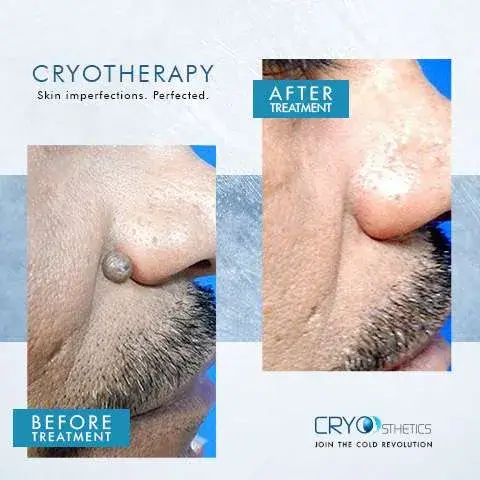
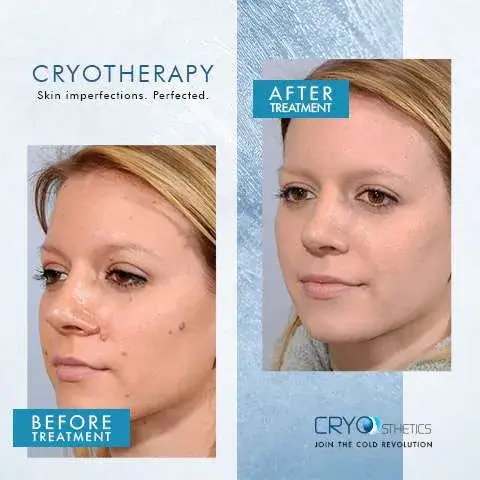
Cryotherapy can be a quick and effective option for removing annoying skin lesions.
Cryotherapy works by applying a precise, super-cold jet of nitrous oxide to the lesion. This targeted extreme cold helps the tissue break down in the affected area. So it can fall away naturally as your skin heals.
The treatment is fast, usually taking only a few minutes, and is minimally invasive. Many people experience only mild discomfort during the procedure, and it is suitable for a variety of common skin lesions.
At Dears Pharmacy, you’ll be treated in a private consultation room. Our teams of specially trained pharmacy professionals are with you from consult to aftercare. Guiding what to expect as your skin heals and tips to reduce irritation or infection.
Many people notice visible improvement within days, with complete healing typically occurring within 1–2 weeks, depending on the lesion.
BOOK THIS SERVICE

Skin tag removal
Skin tags are harmless but often irritating, especially on the neck, underarms, torso, or anywhere they catch on clothing or jewellery. Cryotherapy offers a quick, targeted removal option.

Warts & Verrucae
Warts and verrucae can be stubborn and sometimes need more than one session. Cryotherapy targets the tissue directly and can be especially helpful when home treatments haven’t worked.

Milia & Cherry Angiomas
Small white milia bumps or red “cherry spot” marks can be treated accurately with cryotherapy, depending on suitability and location.

Pigmentation & Age Spots
Some pigmented marks and age spots may be suitable for cryotherapy following assessment. We’ll advise what’s appropriate and what isn’t.
information and pricing
Important information
Cryotherapy services are available for ages 12 and over.
Our cryotherpay services are available in the following locations | Tranent, St Andrews, Linlithgow, Kirkcaldy 133, Burntisland, Newton Mearns , Lochore, Dunfermline, Oxgangs and Glenrothes.
Please note that all deposits are non-refundable in the event of cancellation by the patient.
Skin Tag Removal
The following are prices for treating each individual skin tag.
1 treatment | £85.00.
2 – 3 treatments | £105.00 each.
4 – 5 treatments | £125.00 each.
Milla and Cherry Angiomas
The following are prices for treating each individual angioma.
1 treatment | £50.00.
2 – 3 treatments | £70.00 each.
4 – 5 treatments | £90.00 each.
Warts and veruucae
The following are prices for treating each individual wart or verruca. For three days before treatment, please soak the area to soften the skin. Remove dry skin if it is surrounding the wart or verrucae.
1 treatment | £85.00.
2 – 3 treatments | £105.00 each.
4 – 5 treatments | £125.00 each.
Pigmentation/ Age Spots
The following are prices for treating each individual pigmentation/ age spot.
1 treatment | £85.00.
2 – 3 treatments | £105.00 each.
4 – 5 treatments | £125.00 each.

CRYOTHERAPY AT A GLANCE
- Targeted freezing: A precise application to the lesion (not a “general” treatment).
Minimal downtime: Most people return to normal activity straight away.
Normal healing response: Redness, itching, mild blistering or a small scab can occur.
Aftercare matters: Following guidance supports cleaner healing and better results.
Sometimes more than one treatment: Especially for multiple lesions or stubborn warts/verrucae.
Important: Please avoid antihistamines before treatment — see FAQs for details.
How it works
Choose your focus
Select what you’d like treated (for example: skin tags, warts/verrucae, or pigmentation). If you have multiple areas, we’ll talk through the best approach.
Book Online
Choose a location location and appointment time that suits you and your lifestyle.
Your appointment
We’ll see you in a private consultation room. A healthcare professional will ask a few questions to confirm suitability and explain what to expect.
NEXT STEPS
You’ll leave with clear aftercare advice and, if needed, a plan for follow-up treatment (typically allowing time for the skin to renew between sessions).


FAQs
Cryotherapy is a treatment that removes certain skin lesions by applying controlled freezing to the area. The treated tissue breaks down and the skin heals naturally.
Most people describe it as brief discomfort — a cold, stinging sensation during application. We’ll explain what to expect and stop if needed.
Side effects are usually mild and can include redness, itching, mild blistering, or a small scab. We’ll give aftercare advice to support healing.
Some lesions resolve with one session. If you have multiple lesions or a stubborn wart/verruca, you may need more than one treatment. Follow-ups are usually spaced to allow the skin time to renew.
Cryotherapy may be suitable for common lesions such as warts, verrucae, skin tags, milia, cherry angiomas, and some pigmentation/age spots, depending on assessment.
Some people should speak to their GP before treatment — including pregnant patients and anyone with conditions that affect circulation, immunity, healing, or sensitivity to cold (for example Raynaud’s, scleroderma, cryoglobulinaemia, immunosuppression, diabetes, certain blood disorders, or significant skin healing conditions). If you’re unsure, contact the pharmacy team before booking.
If you have taken antihistamines within 48 hours of your appointment, we can’t provide cryotherapy treatment. Please avoid antihistamines for seven days before your appointment. If you’re unsure, contact the team at your chosen location.
Not always. Some lesions aren’t appropriate for cryotherapy, and some need GP/dermatology assessment instead. We’ll advise you safely and clearly.
You’ll receive aftercare guidance. It’s important not to pick or scratch the area, and to follow the instructions provided to reduce irritation and support healing.
If you’re worried about a changing mole, bleeding lesion, or anything that looks unusual or concerning, we may recommend a mole scan or GP assessment rather than cryotherapy.
Customer sErvice is important to us
We’re proud of the feedback our customers give us so we’ve shared it with you here:
